Curly, Twisted, and Contorted Plants
(Beyond Contorted Filbert/Harry Lauder's Walking Stick)
I'm obsessed with curly, twisted, and contorted plants, plants that don't tidily grow straight up and down but instead loop and curve and zigzag. They're witchy, almost. They have loads of personality. I'm not quite sure why I'm so fond of them, but it might go back to growing up a weird kid in decidedly non-weird suburban central Ohio. As a kid I loved and identified with messy, wild landscapes- vacant lots, overgrown fields, the forest down by the creek- because they were furthest from the crew-cut and fertilized lawns around parking lots. They were furthest from conformity.
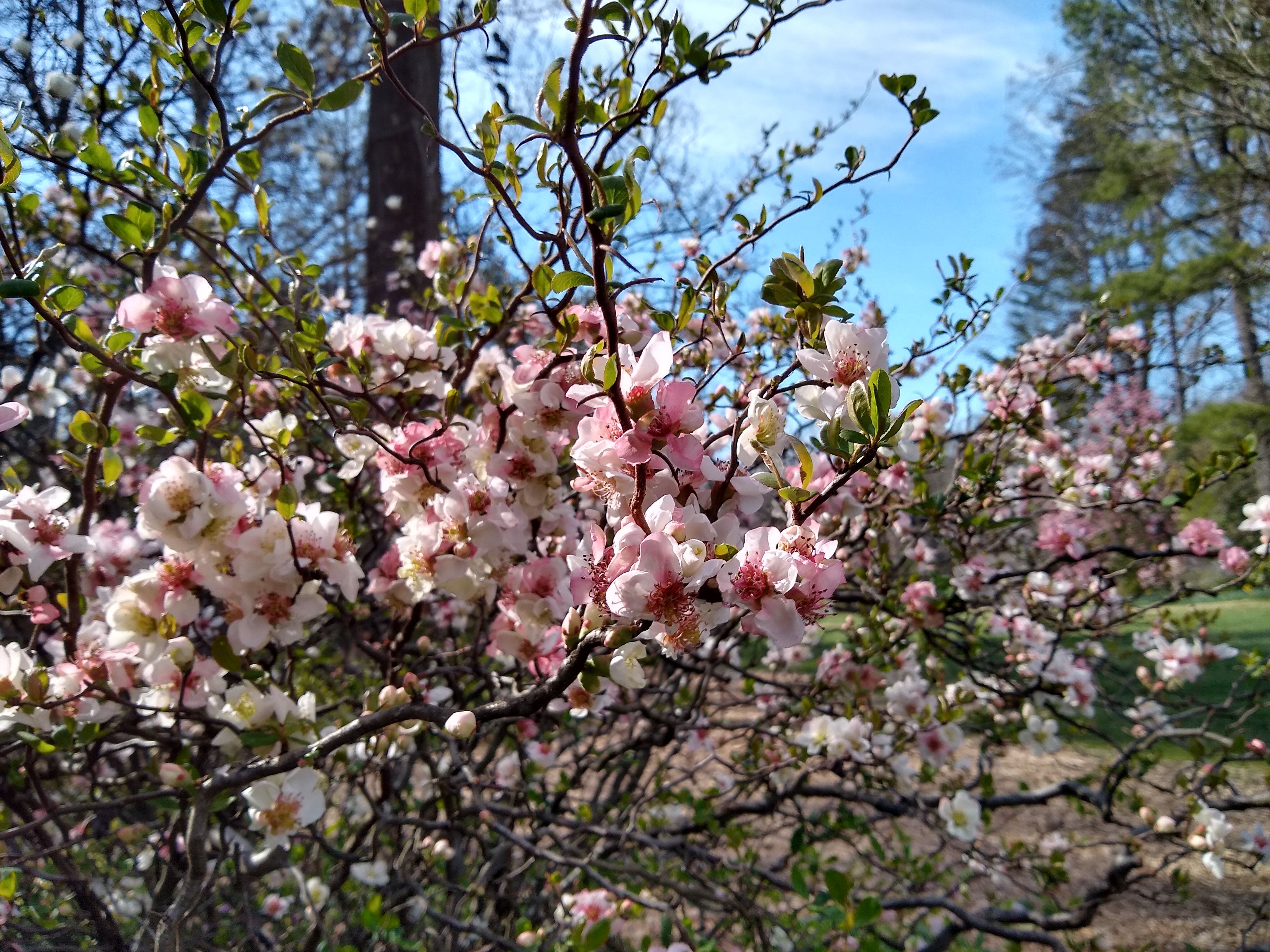
Today I want to do a deep dive into these curlicue plants. The front page of the search results is full of a single species: contorted hazelnut (Corylus avellana 'Contorta') or Harry Lauder's Walking Stick. It's a good plant, but it's far from the only one with a twisted growth habit. I keep finding more and more species that haven't been given their due.
And shoutout to the clients who called me to their property and asked for a design with witchy secret garden vibes. I'm sorry it didn't work out (the federal cuts have hit hard here in DC) but I couldn't stop thinking about the idea! Anyone else with exciting design briefs: please reach out!
Contorted vs. Weeping Plants
What's the difference between contorted and weeping plants?
Where do Contorted, Twisted, and Curlicue Plants Come From?
text
16 Mid-Century Fence Styles
Vertical and horizontal solid board fences were widely available in the mid century era, just as they are now. They don't necessarily scream modern but you wouldn’t be wrong for installing one.


The horizontal board fence (left/top on mobile) emphasizes the linearity and horizontality that was such a strong hallmark of mid-century architecture and pulls it out into the yard.
The vertical board fence (right/bottom on mobile) has a strong, clean rectangular grid and an unusual jaunty angle at the end.


The horizontal board fence (left/top) has a storage shed built in front of it The horizontal lines are broken up by a clean rectangular grid painted a dark color. Also note that the grid continues down onto the ground plane with framed or edged cubes filled with what looks like gravel.
The vertical board fence (right/bottom) is a fairly typical vertical board fence with a horizontal topper. Note the lack of lattice!
It’s worth calling out specifically: chain link is period and modern! It doesn’t show up in many design magazines of the day, as it was already a rather common material. In fact, it was being installed in millions of yards. Here it is on the edge of a tall deck, surrounding a children's play area, and again with plywood cutouts “bold to be in scale with the garden.” I think this is kind of hilarious and I'm not sure we would include the cutouts in a design magazine today, but I’m really glad someone was having fun. I can only imagine what bright colors they were painted!


Don't miss the next article about MCM design!
I research and write articles sporadically in between other design work. I have an entire series on MCM design planned. Please sign up to be notified when the next one goes live.
SubscribeMid-century designers didn’t shy away from using plain metal pipes to create fences and screens, which is not a material we typically consider using today. These could be highly decorative or more utilitarian or agricultural. I love the ingenuity these designers showed in using the materials they had available to them!


Left/top: These panels (presumably wooden?) appear to be ‘floating,' supported by dark-colored pipes or dowels. This creates a wonderful semi-transparent geometric screen.
Right/bottom: wooden posts support horizontal pipes and a trained/espaliered shrub to create a carport screen. A vine could also work well in this situation.


Left/top: Strips of flexible plastic are woven around pipes to create a translucent screen in the garden. This is really exciting and I love this concept! More on plastic in a bit. It's too bad that flexible plastic isn't more durable and better for the environment...
Center/middle: A simple metal screen strung with wire to support climbing vines that will eventually grow into a dense green wall.
Right/bottom: an agricultural pipe fence on a farm or ranch.